

You say endodontics relates to the interior of the tooth. What’s really inside a tooth?
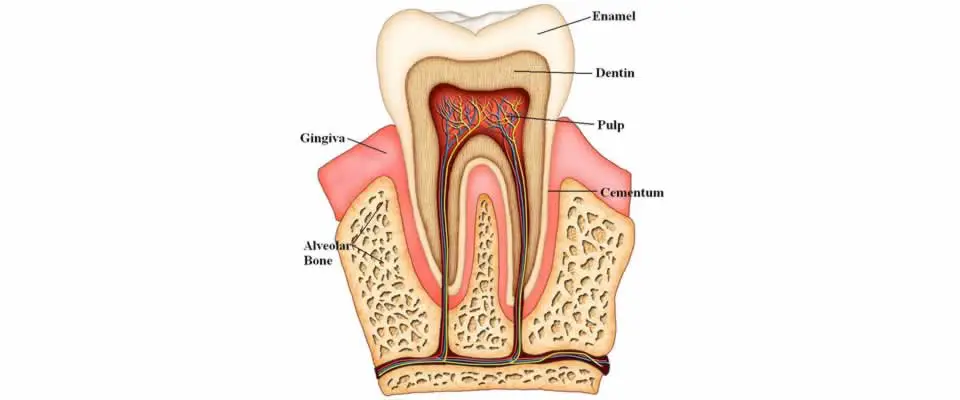
A tooth is composed of the coronal (visible) portion consisting of enamel and dentin, and its roots which extend into the bone to help anchor it to keep it in place. The coronal portion is a hollow casing which encloses the pulp, where the mass of the nerves and blood vessels of the tooth reside. The roots, however, also encase a slim, hollow space containing nerves and blood vessels as well. This space within the roots is what’s called the “root canal.” In a dental infection, not only the pulp but also the root canal spaces would become infected, and hence the “root canal” procedure would be necessary to disinfect the whole system.
How does a tooth become infected and what happens in a dental infection?
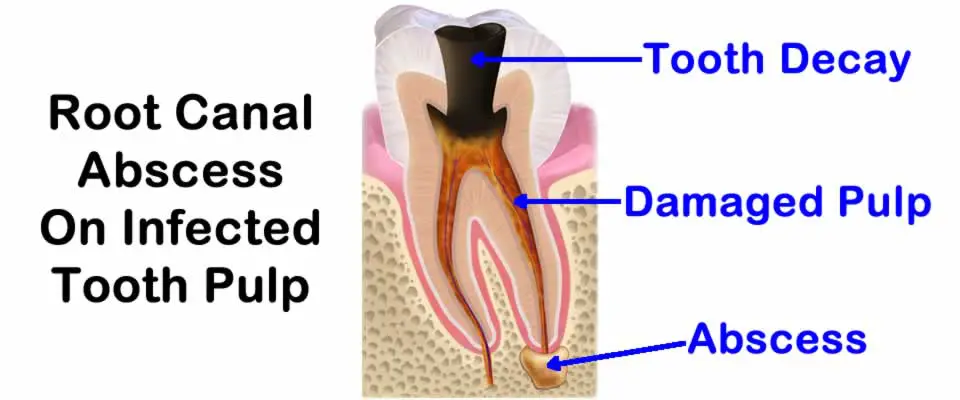
A tooth becomes infected when an external insult (caries, physical damage, etc.) penetrates through the exterior housing of the tooth (enamel, dentin, or cementum) into the area where nerves and blood vessels exist. This brings harmful bacteria into contact with these tissues and hence an infection will result. Typically the infection runs the whole course of the root and causes an infectious buildup of materials we call a granuloma at the tip of the root. The physical pressure caused by this tissue, as well as the direct agitation of nerves inside the tooth, is what causes many people to suffer considerable pain. Often times, an abscess can also accompany the symptoms containing pus and exudates.
What can cause these infections inside a tooth?
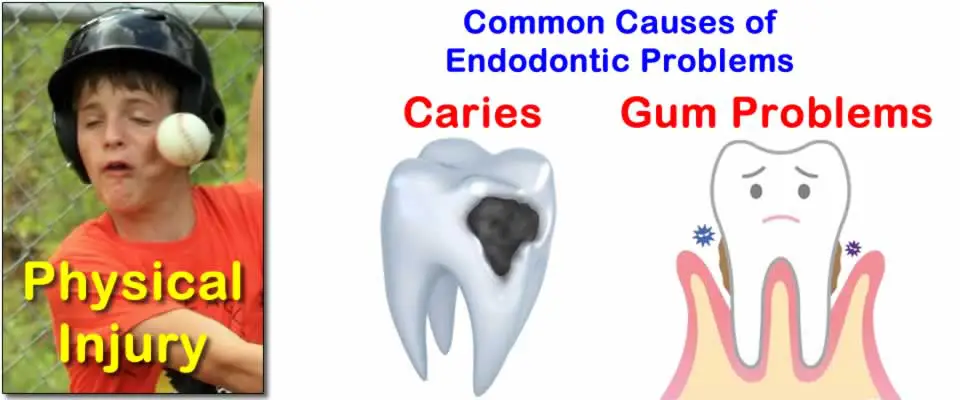
The most common cause is dental decay. When dental caries are left untreated and extend sufficiently far inside a tooth to penetrate into the pulpal chamber, infection will result. Usually this is also accompanied by considerable pain/discomfort/sensitivity. Other causes can also result in the same condition. Physical trauma such as altercations or sporting accidents that knock a tooth hard can also result in damage to the interior of a tooth requiring root canal treatment. And gum problems like extensive gingivitis and periodontitis can also lead to endodontic issues in neighboring teeth.
So root canal treatment is used to treat these conditions. What is done exactly in this procedure?
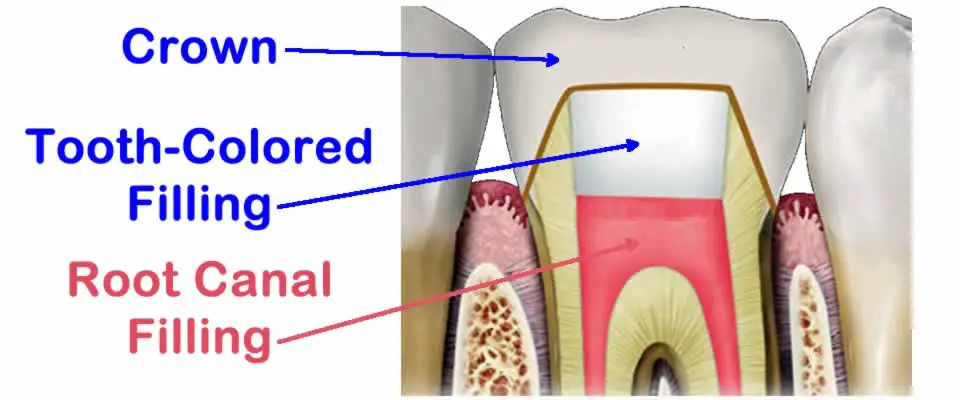
Root canal treatment (RCT) is the specialized procedure dentists do to treat the interior of the tooth to eliminate infection in the pulp and root canal areas of a tooth. After anesthesia, the tooth is first excavated so that all of the causative insult like decay is removed and the pulpal chamber accessed; this is followed by the finding and identification of all canal present. The lengths of the canals are then determined and the canals thoroughly debriefed, Leander, and disinfected. Finally, the canals are filled with a rubbery, biocompatible material and the tooth sealed with a buildup, i.e. large filling.
I often hear from my dentist that I need a crown for my root canal-treated tooth.
Why do I need a crown and what happens if I don’t get it?
The reason why a crown is recommended for many root canal-treated teeth is that after a root canal, the tooth is hollowed out and always weaker than it’s original condition. The analogy I tell my patients is to think of a hollowed out tree. Because work and instrumentation was done inside the tooth, it is hollow and weaker and therefore prone to breakage and fracture if it does not receive some external support. Therefore, a crown is usually the instrument of choice to provide this support and it works very well in this regard. However, not every instance needs a crown and in some cases, particularly for anterior teeth, a buildup may be sufficient itself to provide this support. The proper treatment is always case-by-case.
Does RCT really work?
I have heard of people saying that several years after root canal their tooth broke or got reinfected.
Yes, without a doubt RCT does work, but its longetivity is dependent on several factors. First, the dentist has to be competent enough to find ALL of the canals in the tooth and do a good job at cleaning/disinfecting them. Secondly, a crown must be procured when indicated to help support and protect the weakened tooth. And finally, the patient must still exercise good home care for the tooth in terms of hygiene and cleaning. Just because a tooth got a root canal and no longer has nerves doesn’t mean that it no longer needs proper hygiene. If the tooth structure gets decayed, the tooth can still need additional treatment or need removal.

What if I don’t want RCT? Are there alternatives to this option?
There are alternatives to saving a tooth with RCT, but they are either not ideal, or would involve substantial expense. For example, one can always opt to extract and remove the tooth. While this option is cheaper than saving a tooth via RCT, it of course means that the tooth is lost forever and may lead to compromised chewing efficiency for the patient and/or cosmetic concerns. Over time, furthermore, the neighboring teeth can also drift and migrate into the empty space leading to a change in bite and periodontal stability. Another alternative in recent years is the dental implant. In this scenario, the infected tooth is removed, and a dental implant fixture is placed. After integration with the bone, a dental crown is placed in the implant and together this simulates the presence of a tooth. Currently, this is the most stable and state-of-the-art solution for tooth loss. Its drawback is that this option is expensive and time-consuming and the patient still needs to exercise good hygiene to keep the gum/bone healthy around the implant.
Is RCT limited to adults? Can kids get them?
Yes, kids can get RCT as well, and as a matter of fact this happens often. When a child gets a deep cavity, to eliminate the cavity and the infection it has caused we often do an ‘abridged’ version of RCT whereby the tooth is opened and the pulpal chamber accessed. Nerves within the chamber are then removed while those in the root canals are left untouched; a filling is then placed afterwards to fill the access hole and the entire tooth covered with a stainless steel crown. This is commonly seen in children.
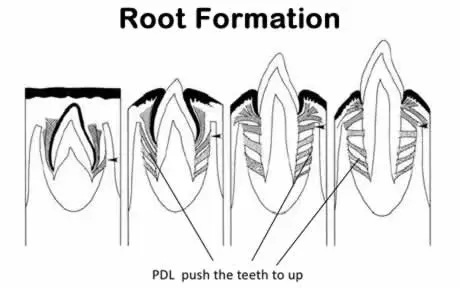
However, for permanent teeth it is generally a good idea to avoid doing true root canals in kids until about 2-3 years after the eruption of the tooth. This is because if the nerves and blood vessels in a root canal are prematurely removed prior to complete root formation, this may stunt the proper growth of the root and making it short artificially. So, while root canals are possible and in many some cases necessary in children, care must be taken to assess the root status before the undertaking.

Want To Learn More?
Think You Might Need A Root Canal? Start Here.


